Home Hardening (Ember & Ignition Resistance)
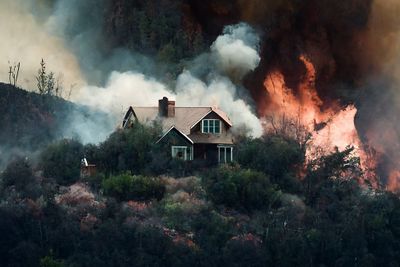
Your First Line of Wildfire Defense
Home hardening focuses on reducing the most common ways homes ignite during wildfires—primarily from wind-driven embers and heat exposure near the structure. Many losses occur even when flames never reach the home. Our work targets these vulnerable entry points using practical, non-combustible solutions commonly flagged during wildfire inspections.
Ember-Resistant Construction Details
1/8” Wire Mesh Under Porches and Decks
We install corrosion-resistant 1/8” metal mesh beneath decks and porches to block embers from entering enclosed or concealed spaces. These areas are a frequent ignition point during wind-driven wildfire events.
Metal Flashing at Deck-to-Wall Connections
We install continuous metal flashing where decks or porches attach to the home. This protects rim joists and wall assemblies by eliminating gaps where embers and heat can accumulate behind siding.
Non-Combustible Material at the Base of Exterior Walls
We replace or cover combustible materials at the base of exterior walls with non-combustible alternatives. This reduces ignition risk where embers collect and radiant heat is most intense near ground level.
How This Helps
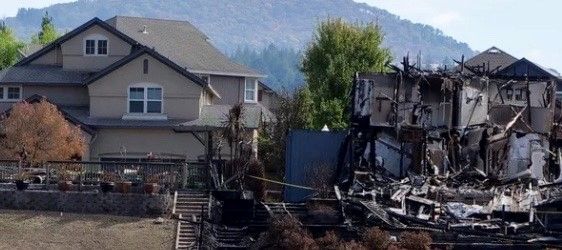
Reduces ember intrusion, one of the leading causes of home loss in wildfires
-
Addresses common wildfire and WUI inspection findings
-
Complements defensible space and exterior sprinkler systems
-
Improves overall wildfire resilience without major structural changes
Our work aligns with widely recognized wildfire risk-reduction practices used throughout the Front Range. We provide clear scopes and photo documentation suitable for reinspection and underwriting review.
Start Defending Your Property
Home Hardening reduces wildfire risk by addressing vulnerable areas where embers and heat commonly ignite homes. We install ember-resistant details such as wire mesh under decks, metal flashing at deck-to-wall connections, and non-combustible materials at the base of exterior walls. These improvements are commonly flagged in wildfire inspections and help reduce ignition risk when paired with defensible space and other mitigation measures.